
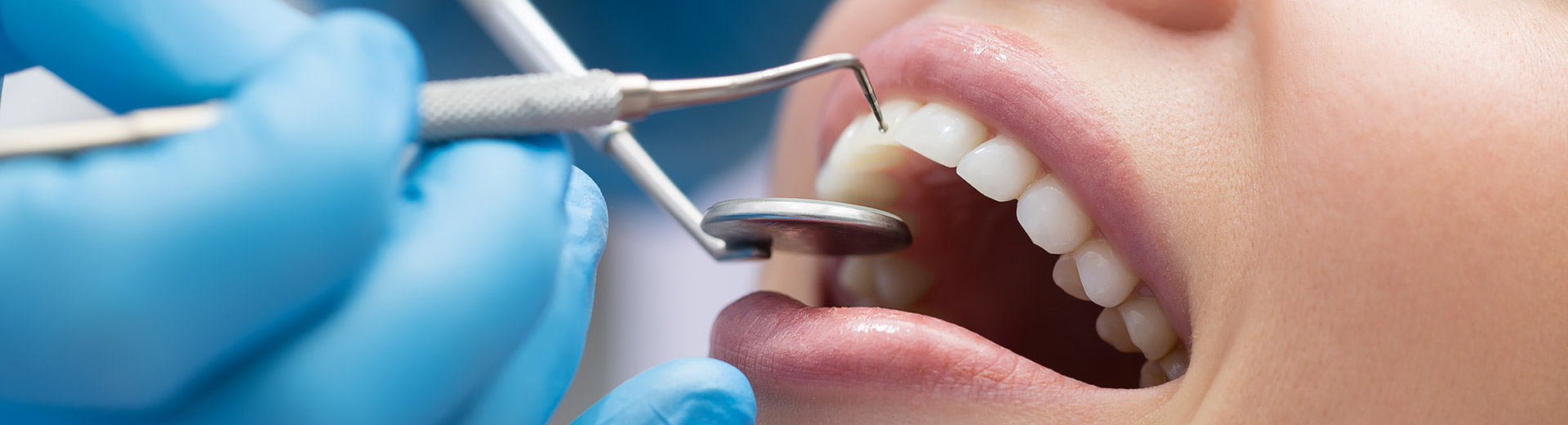
Periodontal Care in Boca Raton, FL

Having healthy teeth and gums is paramount to your total body health. In the United States, periodontal disease (gum disease) is one of the most common dental conditions, and up to half of all Americans aged 30 or over are affected by gum disease. Periodontal treatment ranging from preventive maintenance to reconstructive surgery can help keep gum disease under control.

At our dental office in Boca Raton, Florida, we believe that everybody deserves to have healthy smiles. That’s why we proudly provide comprehensive periodontal care for our patients. Our team includes skilled professionals who are ready to offer support throughout every step of your journey toward a healthier mouth.

With advanced technologies such as laser dentistry and 3D imaging, we can provide state-of-the-art treatments such as deep cleaning and pocket reduction to treat periodontal disease.

What Is Periodontal Disease?

Periodontal disease is an infection of the gums and surrounding tissues that support the teeth. It is caused by plaque buildup (a sticky film on the teeth), when bacteria in the plaque produce toxins that irritate and damage the normal structures surrounding the teeth. It is a progressive disease that gets worse over time, and if left untreated, it can lead to irreversible damage to your oral health, including tooth loss, bone loss, and destruction of other parts of the jaw joint.

Signs of Gum Disease/Periodontal Disease

Periodontal disease starts out slowly with early-stage gum disease, and you may not even realize you have it at first. Symptoms will gradually get worse over time as the disease progresses.

You may experience any of the following:

  • Bad breath
  • Bad taste in your mouth
  • Sensitive teeth
  • Tooth decay
  • Red or swollen gums
  • Bleeding gums
  • Loose teeth

Risk Factors for Gum Disease

Poor oral hygiene practices are the largest risk factors for periodontitis, and neglecting regular dental cleanings significantly increases your risk of gum disease or developing a more severe periodontal condition.

Other risk factors include:

  • Family history of periodontal disease
  • Smoking
  • Excessive alcohol use
  • Crooked teeth
  • Diabetes
  • Certain medications that cause dry mouth
  • Pregnancy or other hormonal changes

If you fall into any of these high-risk categories, it is even more important to ensure that you get professional cleanings at least twice per year.

Benefits of Periodontal Treatment

Preventive care is always preferred in order to avoid gum disease from progressing in the first case, but if you find yourself struggling with periodontal problems, there are solutions available. If caught in the earliest stage (called gingivitis), the condition can be reversed and we can restore your dental health without invasive procedures.

If you have periodontal disease, we may recommend any of the following treatments:

  • Periodontal Therapy: scaling and root planing, which is a deep cleaning to remove plaque and tartar buildup from the tooth surfaces and from below the gum tissue
  • Periodontal Surgery: to reduce pocket depth of your gums and restore healthy gum tissue
  • Bone Grafts: to restore healthy bone to your jaw area

Frequently Asked Questions About Periodontal Care

How can I distinguish between early gum irritation and the initial stages of periodontal disease?

Early gum irritation, often called gingivitis, may cause redness, mild swelling, tenderness, or bleeding while brushing and flossing. Periodontal disease develops when inflammation progresses deeper below the gumline, potentially leading to persistent bad breath, bone loss, gum recession, and loose teeth. Unlike simple irritation, periodontal disease can permanently damage supporting tissues if untreated. Since symptoms are not always obvious at first, professional dental evaluations are important for determining whether gum inflammation is a temporary irritation or a more advanced periodontal condition.

What daily habits are most effective in preventing periodontal disease from progressing?

Consistent oral hygiene is one of the most effective ways to help prevent periodontal disease from worsening. Patients should brush thoroughly twice daily, floss carefully around the gumline, and attend regular dental cleanings and examinations. Using antimicrobial mouth rinses may also help reduce harmful bacteria. Avoiding smoking and maintaining balanced nutrition support healthier gum tissue as well. Patients with gum disease should closely follow personalized home care instructions, as professional treatment and daily maintenance work together to protect long-term periodontal health.

How often should patients with a history of gum disease schedule periodontal maintenance visits?

Many patients with previous periodontal disease benefit from periodontal maintenance appointments every three to four months instead of standard six-month cleanings. These more frequent visits help remove bacteria and tartar buildup before inflammation progresses again. Patients with deeper gum pockets, smoking history, diabetes, or ongoing inflammation may require closer monitoring. The ideal maintenance schedule depends on the patient’s gum health stability, home care habits, and overall medical condition. Regular periodontal visits are important for helping prevent recurrence and long-term tissue damage.

Can untreated periodontal disease increase risks for other systemic health issues?

Yes. Research continues to show connections between periodontal disease and several systemic health concerns. Chronic gum inflammation has been associated with conditions such as cardiovascular disease, diabetes complications, respiratory infections, and adverse pregnancy outcomes. The bacteria involved in periodontal disease may enter the bloodstream and contribute to inflammation elsewhere in the body. While gum disease does not directly cause these conditions, maintaining healthier gums may support overall wellness. Routine periodontal care is an important part of both oral and general health management.

What are the benefits of modern laser periodontal therapy compared to traditional methods?

Modern laser periodontal therapy offers a less invasive approach for some patients with gum disease. Dental lasers can target infected tissue and bacteria while minimizing disruption to surrounding healthy tissue. Compared to traditional surgical techniques, laser therapy may reduce bleeding, swelling, discomfort, and recovery time for certain procedures. Many patients also appreciate the increased precision lasers provide during treatment. However, treatment recommendations depend on the severity of periodontal disease and the patient’s overall oral health condition and treatment goals.

Does dental insurance typically cover deep cleanings or other periodontal treatments?

Many dental insurance plans provide partial coverage for periodontal procedures, such as scaling and root planing (commonly called deep cleanings). Coverage amounts vary depending on the insurance provider, yearly maximums, waiting periods, and the necessity of treatment. Some plans also contribute toward periodontal maintenance appointments following active treatment. Advanced therapies or laser procedures may involve additional out-of-pocket costs depending on the policy. Patients should review benefits with both the dental office and insurance carrier to better understand coverage details before beginning treatment whenever possible.

What is the average cost of periodontal therapy for patients who do not have insurance?

The cost of periodontal therapy varies based on the severity of gum disease, the number of areas requiring treatment, and whether advanced procedures are recommended. Deep cleanings typically cost more than routine preventive cleanings because they involve treating below the gumline and removing bacterial buildup around tooth roots. Additional therapies, maintenance visits, or surgical treatment may increase overall costs. Many dental offices offer payment arrangements or financing options to help uninsured patients receive necessary periodontal care while managing expenses more comfortably over time.

How can I find a periodontal specialist in Boca Raton experienced with advanced gum treatments?

Patients should look for providers experienced in diagnosing and treating various stages of periodontal disease while staying current with modern technologies and treatment techniques. Reading patient reviews, asking about available therapies, and discussing the dentist’s experience with gum disease management may help patients feel more confident. At Dental Care of Boca Raton, Dr. David Kagan provides comprehensive periodontal evaluations and advanced treatment options designed to help patients restore healthier gums while supporting long-term oral wellness and comfort through personalized care.

Are there non-surgical periodontal options for patients with mild to moderate gum disease?

Yes. Many patients with mild to moderate periodontal disease respond well to non-surgical treatment approaches. Scaling and root planing eliminate bacteria, plaque, and tartar from beneath the gumline while smoothing the root surfaces to promote healing. Improved home care, antimicrobial rinses, and more frequent maintenance visits may also help stabilize gum health. In some situations, laser-assisted therapy may offer additional benefits compared to traditional surgery. Early treatment often allows patients to manage periodontal disease before more invasive procedures become necessary later.

How long does it typically take to see improvement after beginning periodontal treatment?

Many patients begin to notice improvement within several weeks of starting periodontal treatment, especially as inflammation and bleeding decrease. Healing timelines vary depending on the severity of the disease, smoking habits, medical conditions, and home care consistency. Deeper gum pockets and advanced bone loss may require longer-term management and ongoing maintenance visits. Patients who follow brushing, flossing, and professional care recommendations carefully often experience better healing outcomes. Regular follow-up evaluations allow the dental team to monitor progress and adjust treatment plans when needed.

Schedule Your Dental Appointment with A Periodontist in Boca Raton Today!

If you are suffering from advanced gum disease, contact us today for a periodontal examination. Our dental team is committed to preserving your periodontal health and ensuring you have strong, functional teeth and a healthy mouth.