
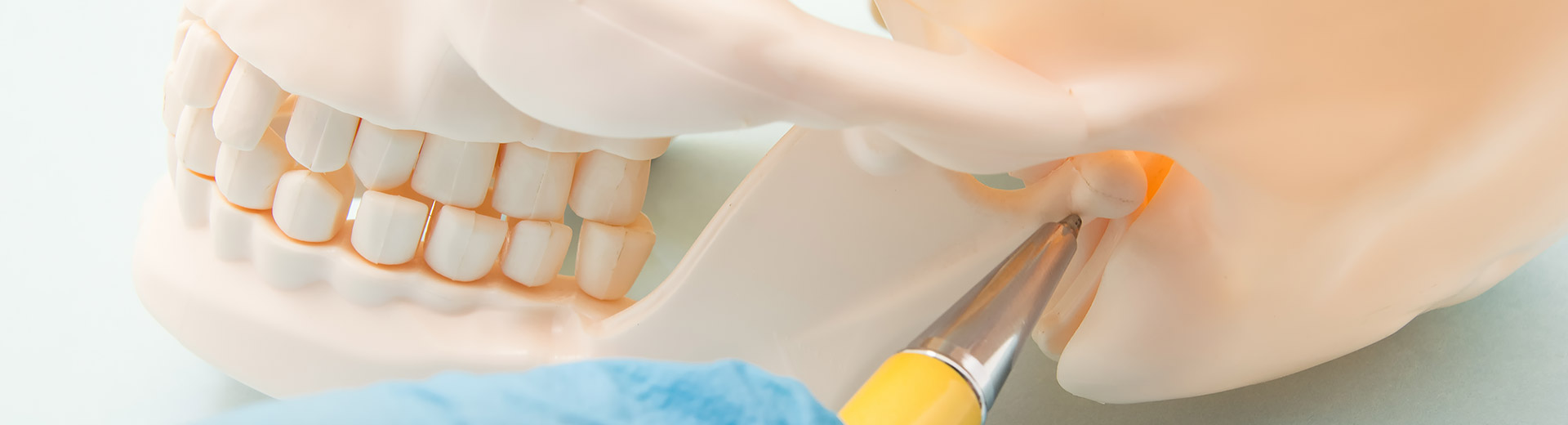
TMJ Treatment in Boca Raton, FL
If you suffer from chronic jaw pain or muscle tension due to temporomandibular joint disorder (TMJ), you know how debilitating and painful the condition can be. Dental Care of Boca Raton offers effective treatments for TMJ disorder to help relieve your pain and restore your quality of life.
What Is Tmj Disorder?
TMJ Disorder, also known as temporomandibular joint disorder, is an umbrella term for a group of medical conditions that can cause muscle spasms, facial pain, frequent headaches, sore jaw muscles, and impaired jaw movement. Patients with TMJ disorder may also experience a misaligned bite and a clicking noise when opening their mouth.
It is caused when the basic anatomy of the joint connecting the jaw with the skull is not functioning properly. Symptoms can include:
- Chronic headaches
- Neck pain
- Ear pain
- Trouble opening or closing your mouth all the way
- Damaged teeth
- Chronic tooth sensitivity
- Bite misalignment (crooked bite)
- Head muscle tightness
TMJ can be caused by a number of different things:
- Jaw injury from an accident or facial trauma
- Arthritis in the jaw joint
- Connective tissue disorder
- Bruxism- clenching or grinding teeth
- Chronic stress
If you are experiencing any of these painful symptoms, especially joint pain or tension at night, contact us for a proper diagnosis and our dentist can work with you to create a treatment plan to relieve pain and restore your jaw mobility.
Treatment for TMJ Disorders
When you come in for a consultation, our dentist will perform a thorough examination of your mouth and jaw to determine the cause of your symptoms. We may take digital x-rays to get a better look at the jaw bones.
TMJ At-Home Treatment
There are a few things you can do at home to help relieve some of the pain associated with TMJ disorder.
- Since stress can trigger TMJ pain, try some stress management techniques at home, like meditation or yoga.
- You can take over-the-counter pain relievers or anti-inflammatory medications to help alleviate the pain. Apply a warm compress to the jaw area to help relax the muscles.
- Avoid hard or chewy foods that require a lot of chewing.
Dental Treatment for TMJ Pain
If self-care treatments are not providing enough relief, our dentist can provide more advanced treatments for TMJ disorder.
- We may recommend a custom-made oral appliance, such as a night guard or an orthotic stabilization appliance, to help reduce the pain and protect your teeth from grinding or clenching.
- We may also suggest physical therapy and jaw exercises to help strengthen the jaw muscles and facial muscles and improve the range of motion.
- In certain cases, Botox injections can help relax the stiff muscles and relieve pain.
Surgical Treatment for TMJ Pain
In severe cases, surgery may be necessary to correct any structural problems in the jaw joint. Surgical options should only be used as a last resort, such as in cases of severe degeneration or when a positioning appliance can’t move your teeth and jaws into the proper position.
- Arthroscopy: Arthroscopy is a type of minimally invasive surgical procedure used to treat conditions affecting the joint structures in the body. During an arthroscopic procedure, a thin, lighted tube called an arthroscope is inserted into the joint through a small incision. Once inserted, a high-definition camera attached to the arthroscope allows the surgeon to visualize and analyze any issues within the joint. Then, the doctor can trim away excess tissue or remove loose pieces of bone or cartilage that may be causing pain.
- Open Joint Surgery: Open joint surgery is a surgical procedure where the surgeon opens the joint in order to access and repair the damage. The procedure involves making an incision in the skin in order to expose the tissue and structures underneath. The surgeon then repairs or replaces any damaged or worn parts. Open joint surgery can restore mobility and decrease pain caused by TMJ.
Recovery After Tmj Surgery
If you need TMJ surgery, you’ll need to take a few days of rest after your procedure in order to fully heal. You may experience some discomfort or facial swelling, but you can take pain medication and use an ice pack to relieve discomfort.
Frequently Asked Questions About TMJ Treatment
What early signs of TMJ disorder should I watch for before symptoms become severe?
Early TMJ disorder symptoms may include jaw clicking or popping, mild facial soreness, difficulty opening the mouth fully, jaw stiffness in the morning, or tenderness while chewing. Some patients also notice ear discomfort, jaw fatigue, or occasional locking sensations. These early warning signs are often easy to dismiss because symptoms may come and go initially. Seeking evaluation early may help prevent worsening inflammation, muscle strain, bite imbalance, and more severe joint dysfunction, which can become increasingly difficult to manage later.
Can TMJ issues contribute to headaches or neck pain even when jaw discomfort is minimal?
Yes. TMJ disorders frequently affect surrounding muscles and structures beyond the jaw joint itself. Patients may experience tension headaches, neck stiffness, facial pain, shoulder discomfort, or ear pressure, even when jaw pain seems mild or inconsistent. Muscle strain caused by clenching, grinding, or bite imbalance can radiate throughout the head and neck region. Because symptoms overlap with other conditions, professional evaluation is important to determine whether TMJ dysfunction may be contributing to chronic headaches or muscular discomfort patterns.
How long does it typically take to experience relief after starting TMJ therapy?
Relief timelines vary depending on the severity of the condition, underlying causes, and treatment approach. Some patients notice improvement within several weeks after beginning conservative therapies such as oral appliances, bite adjustments, or muscle relaxation strategies. More complex TMJ disorders involving chronic inflammation or joint damage may require longer-term management. Consistency with treatment recommendations is important for achieving results. Regular follow-up visits also help monitor progress and adjust therapy plans as symptoms improve or change over time.
What lifestyle changes can help reduce flare-ups of TMJ symptoms?
Several daily habits may help reduce stress on the jaw joints and surrounding muscles. Patients are often encouraged to avoid chewing gum, biting nails, clenching the jaw, or eating excessively hard foods during flare-ups. Stress management techniques, improved posture, stretching exercises, and applying warm compresses may also help relax tense jaw muscles. Maintaining good sleep habits can additionally reduce nighttime clenching. Small lifestyle changes combined with professional treatment often help minimize discomfort and support more stable jaw function in the long term.
Are night guards effective for all cases of TMJ, or only for those who grind their teeth at night?
Night guards are commonly recommended for patients who clench or grind their teeth, but they may also benefit certain individuals with jaw strain, bite imbalance, or muscle tension contributing to TMJ symptoms. Custom oral appliances help reduce pressure on the joints and protect teeth from excessive wear. However, not every TMJ disorder responds the same way, since some cases involve joint damage, inflammation, or structural problems requiring additional therapies. Proper diagnosis is important before selecting the most appropriate treatment approach.
Does insurance usually cover TMJ evaluations or treatment devices?
Insurance coverage for TMJ treatment varies significantly depending on the patient’s dental or medical insurance plan. Some policies partially cover evaluations, diagnostic imaging, or oral appliances, while others provide limited or no benefits for TMJ-related care. Medical insurance may occasionally contribute when symptoms involve pain management or joint dysfunction. Coverage for Botox therapy or advanced procedures may differ further. Patients should review their benefits carefully with both the dental office and insurance provider before beginning recommended TMJ treatment whenever possible.
What is the typical cost of custom oral appliances used for TMJ treatment?
The cost of custom TMJ oral appliances depends on the complexity of the case, the materials used, the diagnostic testing required, and the appliance design. Professionally made appliances typically cost more than over-the-counter guards because they are customized specifically for the patient’s bite and jaw alignment. While costs vary between providers, many patients consider custom appliances worthwhile because they may improve comfort, reduce joint stress, and protect teeth from long-term grinding damage. Some dental offices also offer financing or payment arrangements for treatment.
How can I find a TMJ dentist in Boca Raton who evaluates both muscle and joint function?
Patients should look for a provider experienced in evaluating bite alignment, jaw movement, muscle tension, and joint function together rather than focusing on only one aspect of TMJ symptoms. Comprehensive TMJ evaluations may include discussion of headaches, jaw movement patterns, clenching habits, posture, and muscle tenderness. Reading patient reviews and asking about diagnostic technology or treatment philosophy may also help. At Dental Care of Boca Raton, Dr. David Kagan provides personalized TMJ evaluations to identify the underlying causes of discomfort and dysfunction.
Can TMJ disorders worsen over time if left untreated?
Yes. Untreated TMJ disorders may gradually worsen, especially if clenching, grinding, inflammation, or bite imbalance continues, placing stress on the joints and muscles. Over time, patients may develop chronic pain, worsening headaches, limited jaw movement, tooth wear, muscle fatigue, or joint damage. Symptoms often fluctuate, causing some patients to delay treatment until discomfort becomes more severe. Early diagnosis and management may help reduce long-term complications while improving jaw comfort, stability, and overall quality of life before damage progresses further.
Are Botox injections a long-term or temporary solution for TMJ-related muscle tension?
Botox injections are generally considered a temporary management option for TMJ-related muscle tension rather than a permanent solution. Botox works by relaxing overactive jaw muscles that contribute to clenching, grinding, and facial tension. Many patients experience symptom relief for several months before repeat treatment may be needed. While Botox can reduce muscular discomfort effectively for some individuals, it does not correct underlying bite issues or joint problems. A comprehensive evaluation helps determine whether Botox should be combined with additional TMJ therapies.
Contact Us for Tmj Treatment in Boca Raton, FL
You don’t have to live with constant pain due to jaw disorders. At Dental Care of Boca Raton, we will create an individualized treatment plan to relieve your chronic pain from TMJ disorder. Contact our office today to find out about your treatment options for TMJ disorder.

